
Welcome to the Concept Tiles Tile Guide! Here you’ll find useful information that will help you make informed tile decisions as well as tips and tricks from our expert tile consultants.
From choosing the right tiles for your space to finding a qualified tiler, we’ll make sure you have all the insights to maintaining your tiles so that you and your family can enjoy them for many years to come.
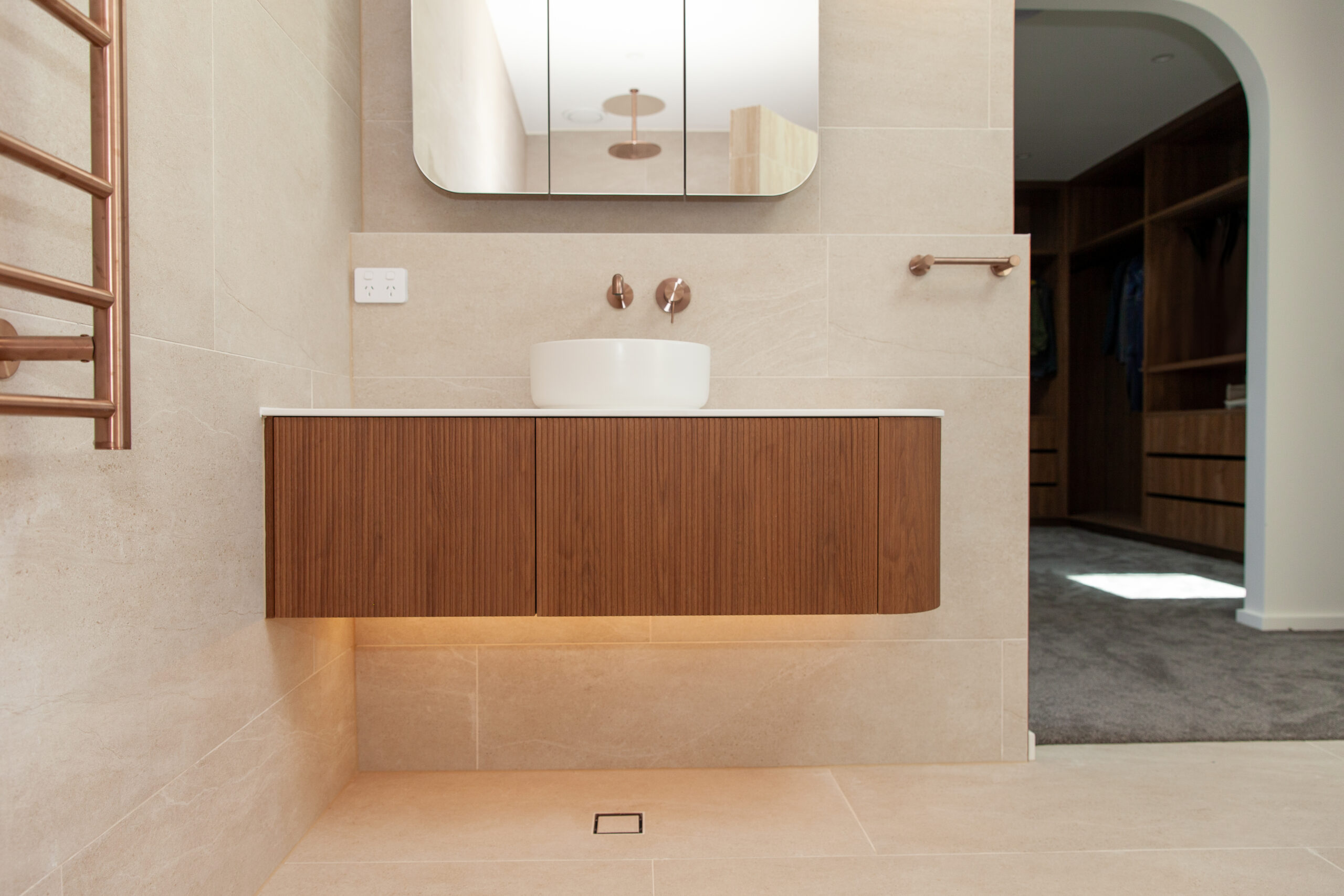
Tile Quick Tips
Keep these essentials in mind when shopping for your tiles.
Make your selection early and check stock availability.
Most tiles are priced per metre unless specified otherwise. Purchasing, however, is per carton.
Have your measurements handy. Add 10–15% for cutting and wastage. Keep a box of tiles for spares.
Ask if sealing is required and if there are any tile care recommendations.
Check if there are any delivery costs. Sometimes there’s a freight charge on products coming from suppliers.
Research PEI ratings and the MOHS scale and assess the product’s suitability for the project.
Tile Types
Tiles are manufactured from various materials and each type has its own benefits. Consider your personal style, budget and functionality requirements when selecting.
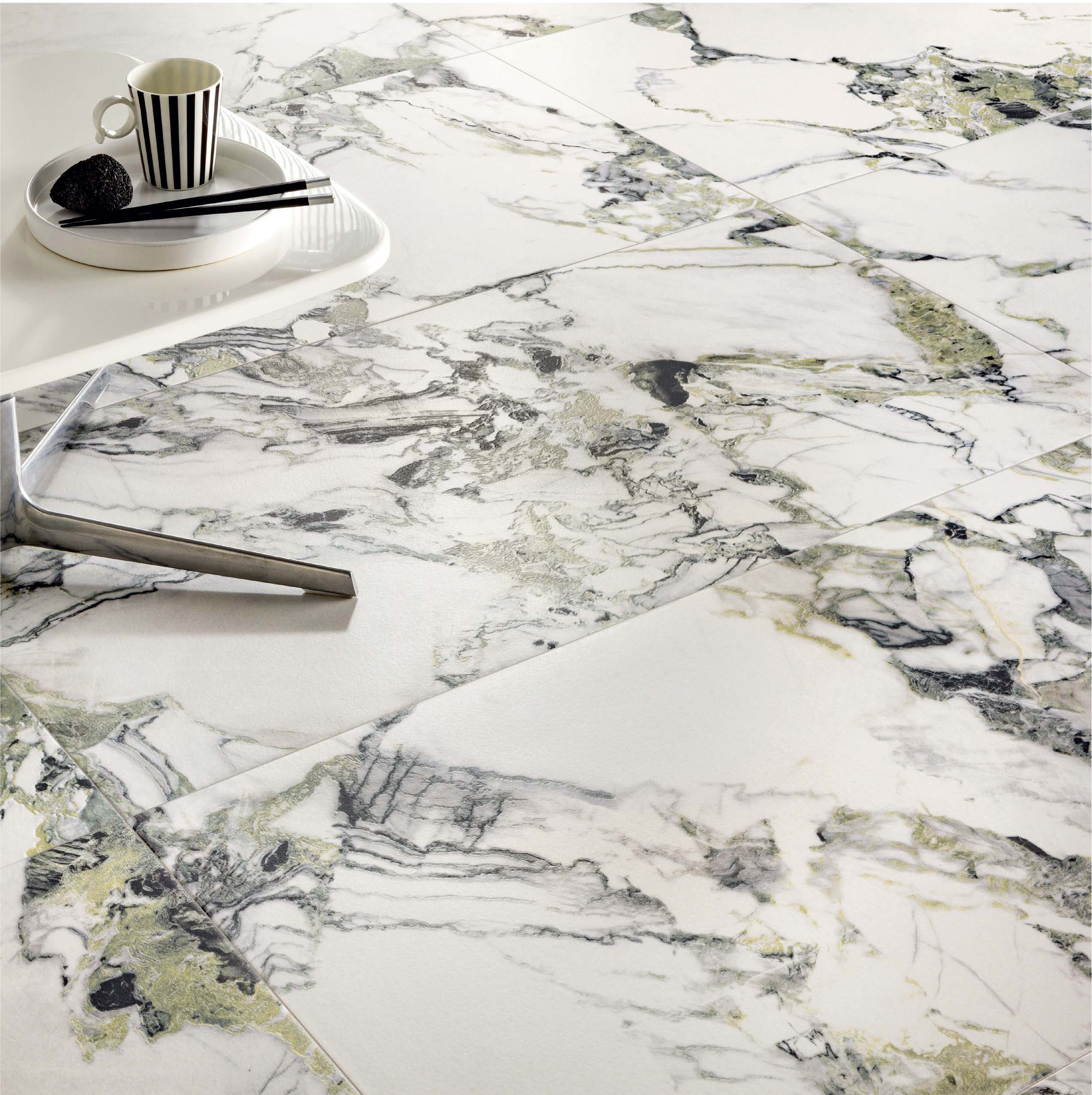
Glazed Porcelain
Much harder and more wear-resistant than non-porcelain ceramic tiles, making them suitable for any application from light traffic to the heaviest residential and light commercial traffic.
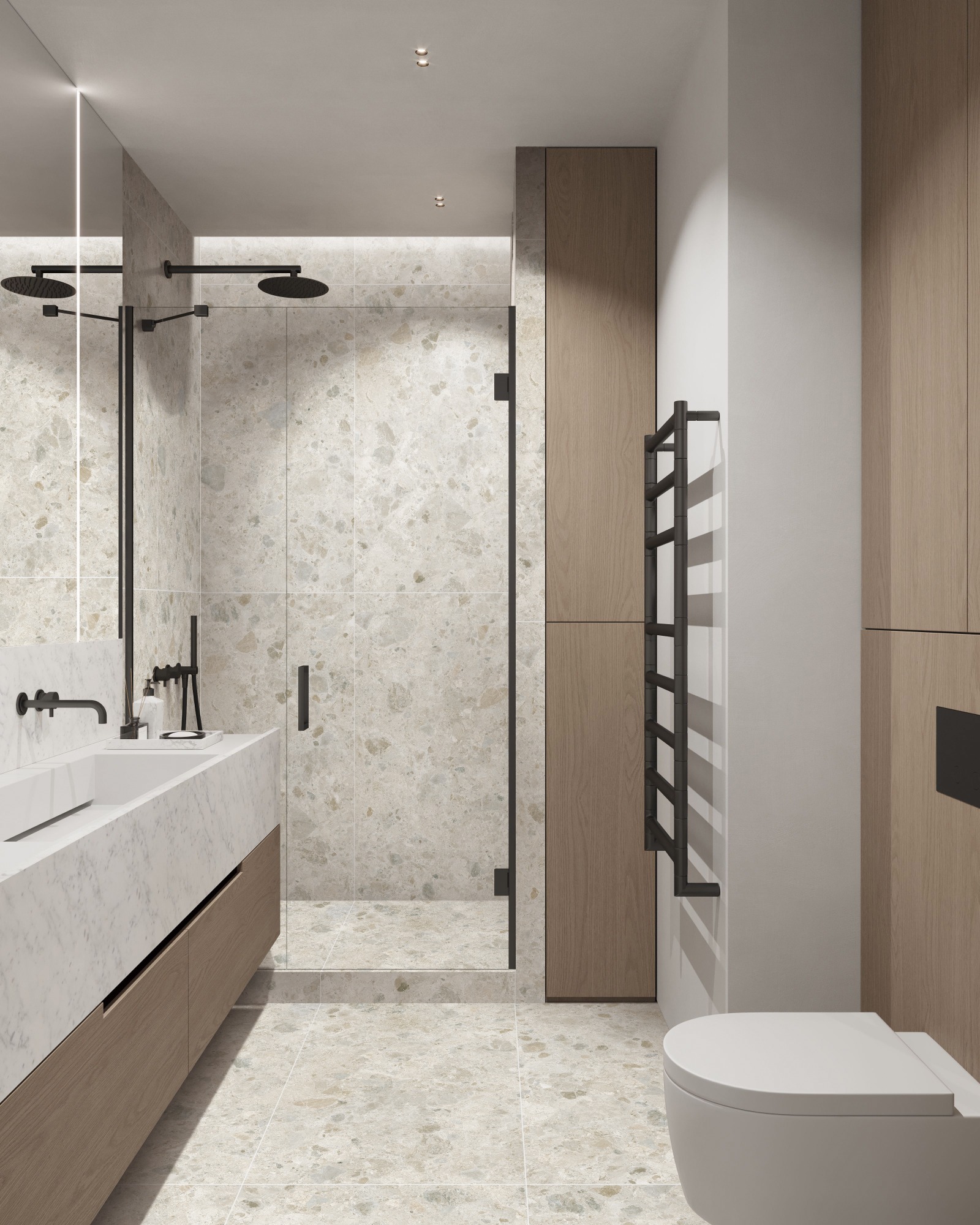
Full Bodied Porcelain
Colour throughout the entire tile body, not just on the surface. This makes chips and scratches less visible and is ideal for high-traffic commercial and residential areas.
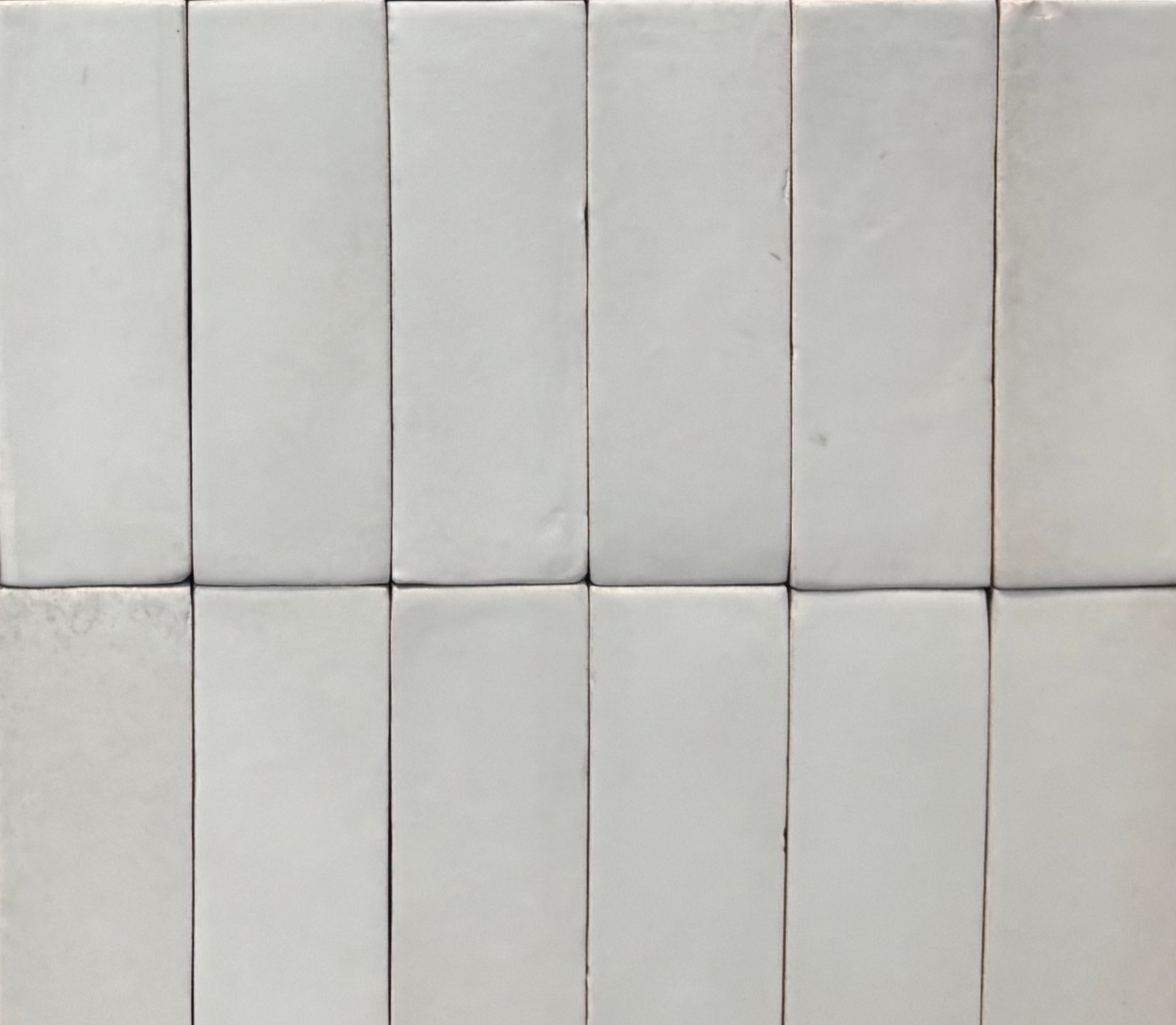
Ceramic & Handmade
Typically used for wall applications and lighter traffic areas. Handmade tiles offer unique character with slight variations in colour and texture that add warmth and personality.
Natural Stone
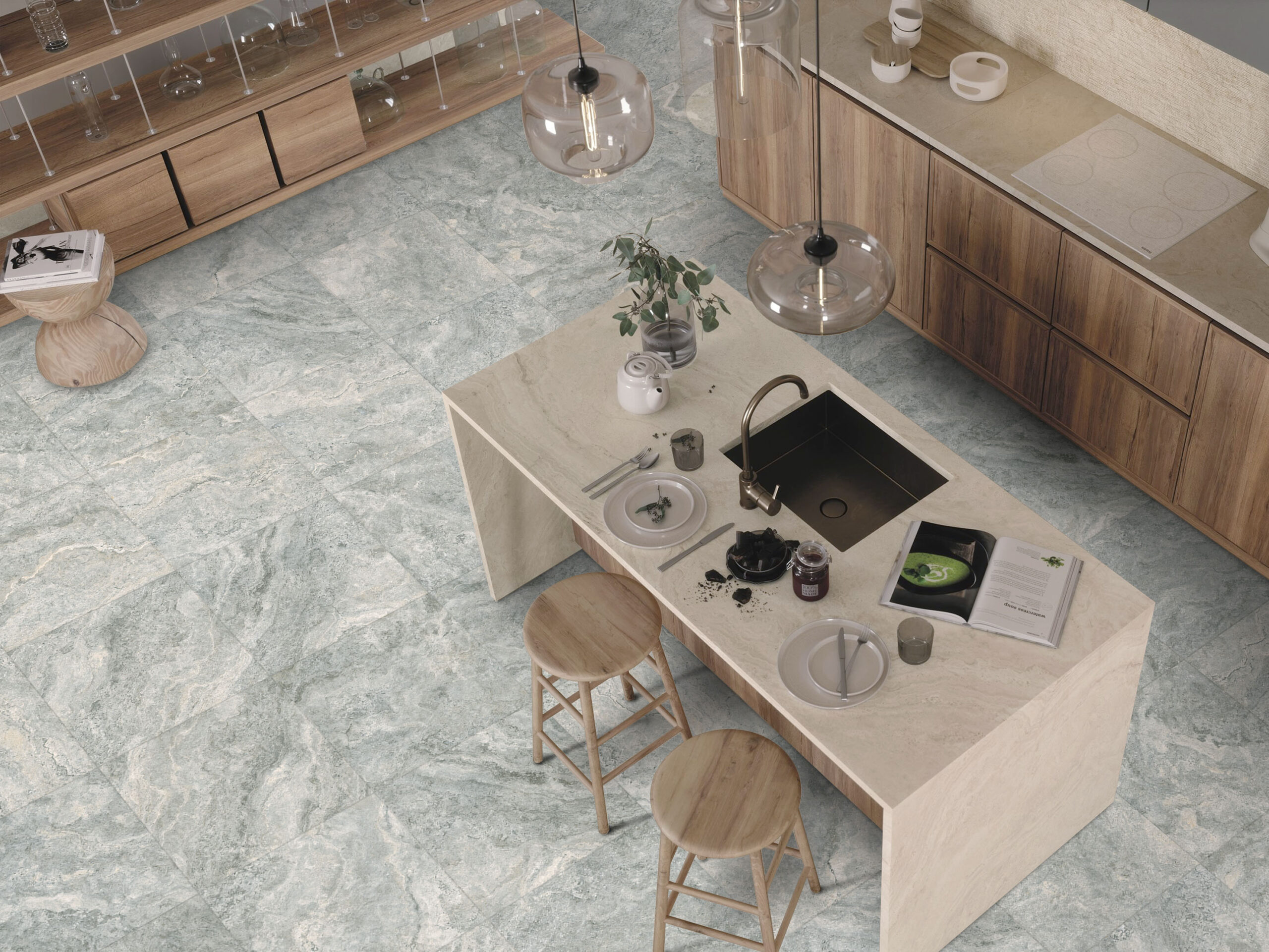
Includes marble, travertine, limestone and granite. Each piece is unique with natural variations. They typically require sealing but offer unmatched natural beauty.
Decorative & Mosaic
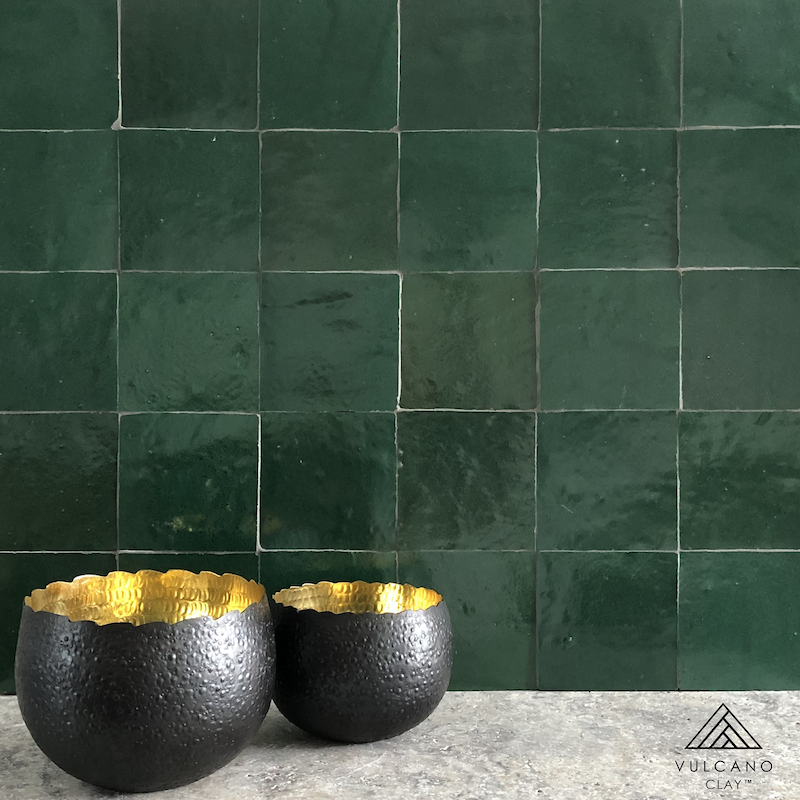
Mosaics, feature tiles and patterned designs add character and visual interest. Perfect for splashbacks, feature walls, bathroom niches and borders.
Rectified
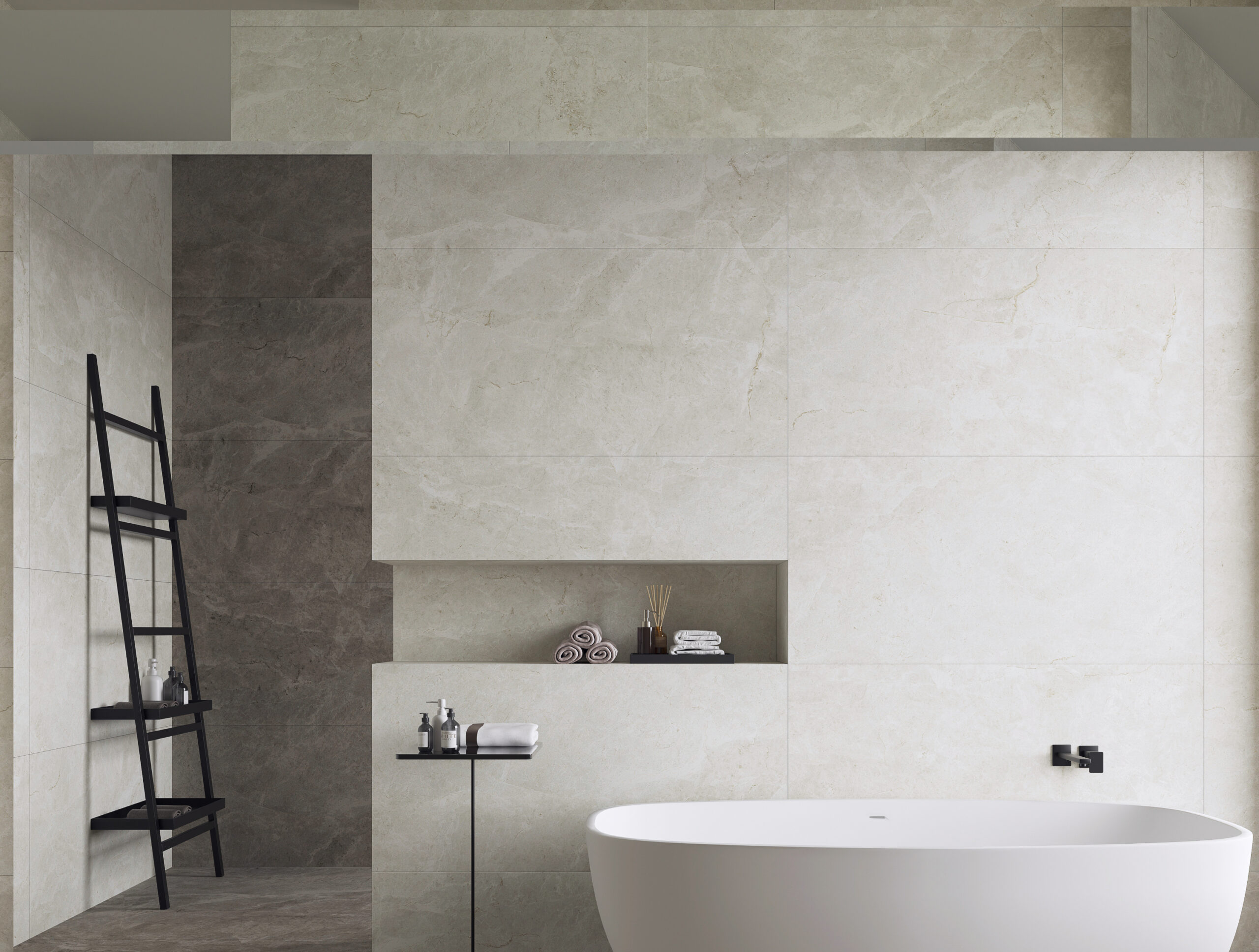
Precision-cut after firing so that all tiles are exactly the same size with perfectly straight edges. Allows for narrower grout joints and a more seamless, contemporary look.
Understanding Ratings
These industry standards help you choose the right tile for the right application.
Tile Calculations
Arming yourself with all the information you need when you get to the tile store is the first place to start. You should have a clear idea of the area you wish to tile and the amount of foot traffic it will be exposed to.
How to Calculate How Many Tiles You Need
- Measure the area — Measure the length and width of each area to be tiled in metres.
- Calculate square metres — Multiply the length by the width to get the total area in m².
- Add wastage — Add 10–15% to your total to allow for cutting, breakage and future spares.
- Check carton coverage — Tiles are sold by the carton. Divide your total m² by the carton coverage to determine how many cartons you need, rounding up.
Selecting a Tiler
Choosing the right tiler is just as important as choosing the right tile. Here are some tips to help you find a qualified professional.
1. Qualifications & Experience
Find out what qualifications and experience the tiler has and ask for their BSA number.
2. Written Quotations
Knowing the total cost up front makes it clear what you’re spending. Clarify any ambiguity before agreeing to proceed.
3. Compare Quotations
Get multiple quotes, but remember that tiling is a long-term investment and the lowest price may not give the best result.
4. References
Most tilers are happy to let you contact recent customers to verify the quality of their work.
5. Trust Your Instincts
Go with the tiler that gives you confidence they will do a professional job.
6. Key Questions to Ask
- Can you easily get a hold of the tiler?
- Did the quotation cover all the work?
- Were they punctual and reliable?
- Did they appear keen to do the work?
Cleaning & Maintenance
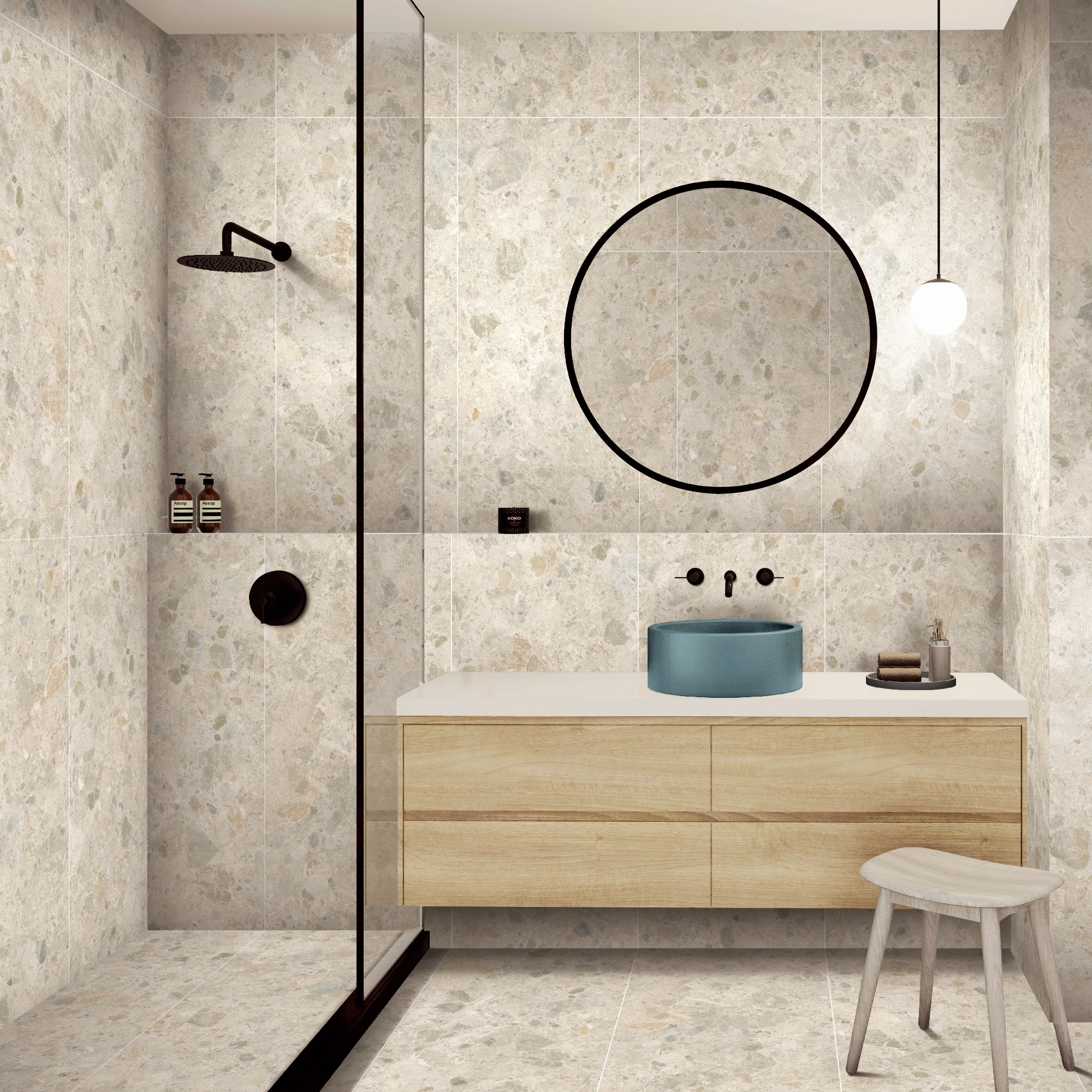
Ceramic tiles are a practical, low-maintenance flooring material. However, it is important to clean them regularly so that dirt doesn’t build up. Your number one enemy is dirt — trapped dirt can be very abrasive, and sand and gritty dirt is likely to damage any tiled surface.
General Care Tips
- Use a mat or rug at the entrance to doorways to reduce dirt tracking.
- Sweep or vacuum regularly to remove loose dirt and grit.
- Mop with warm water and a mild, pH-neutral cleaner.
- Avoid harsh chemicals, steel wool or abrasive pads.
- Clean up spills promptly to prevent staining, especially on natural stone.
- Reseal natural stone tiles periodically as recommended by the manufacturer.
Grout Haze & Residue
After installation, a light haze from the grouting process may remain on the tile surface. This is normal and can usually be removed with a grout haze remover available from your tile retailer. Always test on a small area first and follow the product instructions.
Need help choosing the right tiles?
Our expert team is here to guide you. Visit our showroom or get in touch today.